Initial Clues of a Pest Infestation in Hamilton Homes
When you live in Hamilton, the initial clues of a pest infestation are often easy to miss until the problem spreads. A lot of homeowners initially spot a few feces, a unusual smell, or light rustling noises behind a wall or above the ceiling. By that point, pests may already be using concealed nesting spots, structural gaps, and quiet storage areas to spread through the home.
This is why early detection matters. For Hamilton homeowners, spotting early alerts quickly can prevent costly damage, reduce health risks, and make home protection much easier. Local conditions such as older housing stock, seasonal weather, damp basements, and nearby green spaces can all increase the risk. If you understand the key infestation indicators, you can take preventive action before a small issue becomes a more serious repair job or a full-blown call for pest control Hamilton.
What are the most common early clues of pests?
The initial signs of pests is often subtle. You may not see the pest itself, but you may observe the aftermath of feeding, nesting behavior, or travel. A thorough inspection of the property often shows these clues before the infestation worsens.
One of the most common signs is droppings. Droppings from rodents can appear near food storage, along baseboards, behind appliances, or near entry points. They are a strong sign of rodent droppings from mice or rats, especially if they continue appearing after cleaning. Another important clue is gnaw marks on wood, drywall, cardboard, or wires. Rodents constantly chew to keep their teeth worn down, so fresh marks often point to mouse activity or rodent activity.
Homeowners should also watch for urine smell, which can become detectable in enclosed or warm areas. A old, musky scent in cupboards, basements, or behind stored items can signal hidden pest activity. In some cases, people describe a sticky residue along walls and pathways. These grease marks often come from rodents repeatedly using the same route.
Another early clue is sawdust-like debris beneath wood trim, beams, or furniture. This can be related to nesting or, in some cases, insects damaging materials. You may also see chewed packaging in pantry shelves or storage rooms. Bags, boxes, and containers with small holes or tears are a warning that pests have found available food.
Property damage can also show up in less obvious ways. Small holes in food bags, shredded insulation, scratched surfaces, and missing materials around vents or gaps can all point to pest access. These are not just cosmetic problems. They are often part of a larger infestation pattern that can spread quickly if ignored.
- Droppings in cupboards, basements, or behind appliances
- Gnaw marks on wood, wiring, or packaging
- Unusual odours such as urine smell or stale musky air
- Property damage like torn insulation, holes, or damaged food containers
- Grease marks and worn travel paths along walls
Which pests are most probable to show up first in Hamilton?
Hamilton houses and commercial properties often face a few common early pests first. The most apt pests depend on the property type, neighbourhood, season, and nearby environment. In older residential areas, older buildings may have more access points. In mixed commercial and residential areas, food waste and storage can attract insects and rodents. Near parks, ravines, and green corridors, wildlife pressure can also increase.
Mice are often the first concern. They use tiny entry points, move quietly, and can multiply quickly. Signs of mouse activity include small droppings, light gnaw marks, and scratching sounds in walls or ceilings. Because mice can fit through very small openings, even minor structural gaps can become entry points.
Rats tend to be easier to spot once they settle in, but early signs are similar. Larger rat droppings, stronger odours, and more obvious damage can indicate their presence. Rats may use basement windows, utility penetrations, or gaps in foundations as access routes. If you notice rat droppings or disturbed storage items, do not assume the issue will resolve by itself.
Cockroaches can be harder to detect at first because they hide during the day. Early cockroach sightings in kitchens, bathrooms, or near drains are important. Seeing even one cockroach can suggest a deeper issue. Look for small dark droppings, egg cases, shed skins, and activity around warm, moist areas.
Ants often appear as trails near food, sinks, or cracks in walls and floors. Ant trails are a clear sign that workers have located food sources and are communicating the route to the nest. While some ant problems seem minor, repeated trails can point to a larger colony and potential structural gaps.
Other seasonal pests can also become early problems. Wasp nests may start small in eaves, soffits, or sheds. If you notice early nest construction, it is easier to address Click for more before the colony expands. In some areas, wildlife intrusion from squirrels, raccoons, or other animals can also begin with noises in the attic or signs of disturbed insulation.
- Mice: small feces, slight chew marks, mouse presence near food
- Rats: larger feces, stronger scents, visible damage
- Cockroaches: roach sightings, egg capsules, shed skins, kitchen activity
- Ants: ant trails around sinks, counters, and entry points
Where should Hamilton homeowners check for pest activity?
A focused property inspection can help uncover hidden infestation signs. In Hamilton homes, some areas are more likely to show the first signs because of dampness, storage conditions, and access to hidden hideouts. The most important locations are basements, attics, kitchens, and areas around foundation cracks.
Basements are one of the most typical problem areas in Hamilton. Many homes have lower levels that are cooler, darker, and more humid, especially where basement moisture is an issue. Moisture problems can draw in insects and create ideal conditions for rodents to nest or move in unnoticed. Check along baseboards, utility lines, storage boxes, and behind appliances for droppings, grease marks, or chewed packaging.
Attics should also be inspected regularly. Signs of attic nesting include shredded insulation, nesting materials, scratch marks, and scratching noises overhead. Wildlife intrusion often begins here because attics offer warmth, shelter, and quiet. If you hear movement at night or early in the morning, that can suggest nesting activity above your living space.
Kitchens are another key area because food sources are easy for pests to find. Check pantry shelves, under sinks, behind fridges, and around dishwashers. Even a few crumbs, open containers, or stored pet food can draw seasonal pests. Repeated ant trails, cockroach sightings, or mouse activity in the kitchen should be treated as a major warning sign.
Foundation cracks and other structural gaps deserve close attention. Hamilton’s older housing stock often has more visible wear, utility gaps, and small openings where pipes, cables, or vents pass through walls. During freeze-thaw cycles, these cracks can widen. That makes it more likely for rodents and insects to enter. Because of this, entry points around foundations, windows, and service lines should be part of every seasonal inspection.
Also check around laundry rooms, utility closets, garages, and storage spaces. These areas often combine moisture, clutter, and low traffic, which makes them perfect for hidden harbourages.
What early indicators point to bed bugs or wildlife pests?
Not every pest concern starts with droppings or chew marks. Some pests show themselves through sleeping-area symptoms or noises from above and behind walls. Two common concerns for Hamilton residents are bed bug bites and signs of wildlife intrusion.
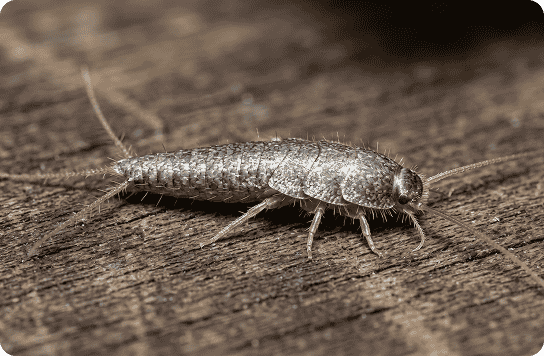
Bed bug bites may appear as pruritic, clustered marks on exposed skin after sleeping. While bites alone do not confirm bed bugs, they are a clear reason to inspect bedding, mattress seams, bed frames, and nearby furniture. Look for tiny dark spots, shed skins, and small blood marks on sheets. Bed bugs are highly skilled at hiding, so early visible evidence may be limited to minor skin reactions and a few small traces near sleeping areas.
Shed skins are another useful clue. Bed bugs, cockroaches, and some other insects molt as they grow. These shed skins can collect in mattress seams, corners, cracks, or behind furniture. Finding them early is a strong indication that insect activity is already established.
For wildlife, listen for scratching noises in ceilings, walls, attics, or chimneys. These sounds may happen at night when animals are most active. Squirrels, raccoons, and other animals can create nesting areas using nesting materials such as insulation, paper, leaves, fabric, or shredded items. If you spot torn vents, disturbed soffits, or repeated attic movement, that may point to wildlife intrusion rather than a simple noise problem.
Because wildlife pests can cause structural damage and leave behind contamination, early damage assessment is crucial. Do not wait for the noise to get louder or for the problem to spread into living areas. The faster you identify the source, the easier the solution.
Why do Hamilton homes and businesses get pests?
Several local risk factors make Hamilton properties more vulnerable to pests. One of the biggest is seasonal weather. The city’s freeze-thaw cycles can open up cracks, shift materials, and lead to moisture problems around basements, foundations, and exterior walls. Those changes can widen structural gaps and make it simpler for pests to find entry.
Older homes is another important factor. Many established neighbourhoods in Hamilton have homes with older materials, original utility lines, and wear around roofs, vents, and foundations. These homes often contain more openings, and even small openings can become a pest highway. That does not mean older homes are unsafe. It simply means they need ongoing maintenance and monitoring.
Access to food sources is a strong attraction. Kitchens, pantries, garbage areas, pet feeding zones, and storage rooms can all support pests if sanitation slips. Crumbs, spills, open bins, and poorly sealed containers make it easier for rodents and insects to move in. In mixed residential-commercial areas, waste handling and storage can also add to the pressure.
Moisture issues are another common trigger. Damp basements, condensation, leaks, and poor ventilation can support insect activity and encourage pests to stay. Moisture problems can also mask odours, letting infestations go unnoticed longer. Where there is water, shelter, and food, the risk of quick pest control Hamilton expansion increases.
Hamilton’s mix of city centre, suburban neighbourhoods, and nearby green spaces also matters. The city’s layout can support rodent and wildlife movement between properties, parks, laneways, and commercial areas. That means pest pressure may come from both inside the building and from outside sources nearby.
When should you call pest control in Hamilton?
You should get in touch with pest control Hamilton when signs reappear repeatedly, when the problem looks larger than a one-off issue, or when you are unable to find the source. A single trail of ants may be fairly minor, but repeated infestations, multiple droppings, or ongoing scratching noises often demand a professional inspection.
The scale of the infestation size matters. If you are seeing more than one type of sign, such as droppings, gnaw marks, grease marks, and chewed packaging, there is a high chance the problem is active and expanding. The same is true if you notice bed bug bites, shed skins, or cockroach sightings in more than one room. Those are not random events; they are often signs of a larger issue.
Professional help is also the smartest choice when the pests are in hard-to-reach areas such as walls, attics, crawlspaces, and behind built-ins. These hidden harbourages make DIY treatment less effective. A local exterminator can inspect the issue, identify entry points, and recommend targeted preventive action.
Rapid response is important because pests can multiply rapidly once they find food and shelter. Waiting too long can increase damage, contamination, and repair costs. A timely response can protect the structure, improve home protection, and reduce the chance of repeat problems.
If you are not sure whether the signs are minor or serious, treat the situation as a reason for inspection rather than a reason to wait. Early action usually leads to simpler treatment and less damage.
How can you prevent a small pest problem from getting worse?
Prevention starts with steady routines and ongoing upkeep. Good sanitation is one of the best tools. Remove crumbs, spills, and food residue quickly. Keep pantry items in sealed containers, keep pet food closed, and avoid leaving dirty dishes overnight. These small steps remove food sources that attract seasonal pests.
Sealing entry points is another key measure. Inspect foundation cracks, gaps around pipes, torn screens, vent covers, door sweeps, and openings where utility lines enter the home. Even tiny structural gaps can let mice and insects inside. In Hamilton, where older homes often have more worn edges and freeze-thaw movement, regular sealing is especially important.
Garbage management also is highly important. Use tightly closed bins, empty indoor trash regularly, and keep exterior waste areas clean. Overflowing garbage, loose bags, and exposed recycling can attract rodents, ants, and wasps. If your property has shared disposal areas, make sure they are checked often for spillover and odours.
Do not ignore maintenance tasks. Repair leaks, improve ventilation, fix damaged screens, and address basement moisture as soon as possible. Regular maintenance reduces moisture problems, limits nesting activity, and makes it easier to spot new signs before they become severe. In particular, keep an eye on attic insulation, basement corners, and any place where water or warmth may build up.
Mosquito Man Hamilton62 First Rd W, Hamilton, ON L8J 3R2, Canada
+1 289-408-9573
https://maps.app.goo.gl/47W3PJ15EnQopiUf6
https://sites.google.com/view/pest-control-hamilton-ontario/
43.1795221, -79.7846013
A simple routine can go a long way:
- Examine basements and attics each season
- Watch for droppings, scratching noises, and odours
- Check for damaged food packaging and grease marks
- Document new signs with notes or photos for damage assessment
- Schedule preventive action before the issue spreads
For Hamilton homeowners, the best approach is often a blend of vigilance and fast follow-up. If you notice recurring signs, contact a local pest control provider before the issue grows into a more costly repair.
Frequently asked questions: First pest infestation signs in Hamilton
What may be the initial signs of a pest infestation in a Hamilton home?
Early indicators are usually clear evidence such as droppings, gnaw marks, unusual odours, grease marks, chewed packaging, or scratching noises. In Hamilton homes, these signs often show up first in basements, kitchens, attics, and around foundation cracks. If the signs return after cleaning, that often points to an active pest infestation.
How can I tell if I have mice, rats, or cockroaches?
Mouse activity often shows up as small droppings, light gnaw marks, and chewed packaging. Rat droppings are usually larger, and rats may leave stronger odours and more obvious damage. Cockroach sightings, especially in kitchens or bathrooms, can suggest hidden insect activity. A professional inspection can confirm which pest is involved and how far it has spread.
Are there basement and attic pests common in Hamilton?
Yes. Basements and attics are regular concern areas in Hamilton because many homes have older housing stock, damp lower levels, and hidden harbourages. Basement moisture and attic nesting are both frequent concerns. These spaces can also hide entry points, nesting materials, and signs of wildlife intrusion.
When should I book a pest inspection in Hamilton?
You should book a professional inspection as soon as you notice repeated signs, unclear noises, unusual odours, or multiple infestation indicators. If you are seeing rodent droppings, bed bug bites, cockroach sightings, or scratching noises in more than one area, do not delay. Early inspection timing can reduce infestation size and support faster prevention.
Will small pest signs go away on their own?
Usually not. Small pest signs often mean the problem is only beginning or is hiding in another part of the home. Without sanitation, sealing entry points, maintenance, and rapid response, pests may continue to feed, nest, and spread. If you are unsure, contact local pest control for a closer look rather than waiting for the issue to disappear.