What Are the Most Efficient Rodent Management Methods in Windsor?
Why Rodent Issues Are Common in Windsor
Rodent problems are especially common in Windsor, Ontario because the local environment creates ideal conditions for mice and rats to enter, stay hidden, and find food. A large part of effective pest control Windsor depends on understanding why the city sees so much rodent activity in the first place.
The Windsor climate plays a key role. Cold winters push rodents indoors in search of shelter, warmth, and dependable food sources. During seasonal shifts, seasonal rodent activity often rises as outdoor conditions become less favourable and animals begin seeking access into homes, businesses, and storage spaces. This is one reason many infestations seem to “suddenly” appear in late fall and winter, even though the rodents may have been nearby for weeks.
Windsor’s older neighbourhoods also contribute to the problem. Many older homes have aging foundations, worn mortar, utility penetrations, and small structural gaps that act as entry points. Over time, these gaps widen, making exclusion more difficult unless the home is inspected carefully and sealed properly. Shared walls, attached garages, and tightly packed properties can also make it easier for rodents to move between structures.
Another major factor is infrastructure. Local sewer systems and drainage routes can give rodents access to underground travel corridors, which is especially relevant for Norway rats. These pests often use hidden routes along pipes, drains, https://sites.google.com/view/pest-control-windsor-essex/ and utility runs to reach basements, crawlspaces, and commercial back lanes. In Windsor’s mix of residential, commercial, and industrial areas, rodent pressure can increase around food waste, loading areas, and drainage infrastructure.
Common harbourage areas in the city include basements, garages, attics, crawlspaces, and storage rooms. Outdoor storage near garbage bins can also attract rodents, especially when bins are poorly sealed or overfilled. Once rodents establish nesting sites near a property, they can quickly create contamination, odor, and chew damage.
What Are the Warning Signs of a Rodent Infestation?
Detecting an infestation at an early stage is vital because rodents breed quickly and widen their territory fast. The most visible sign is droppings. Mouse droppings are usually small and sharp, while rat droppings are larger. You may notice them along walls, near food storage areas, under sinks, in cupboards, behind appliances, or near basement corners and garage shelves.
Gnaw marks are another clear indicator. Rodents constantly bite to keep their teeth from growing too long, which means you may notice damage on food packaging, wiring, baseboards, insulation, or stored items. In some cases, the damage is minor at first but becomes more serious over time, increasing both property damage and fire risk.
Nighttime activity is often a clue. Nocturnal noises such as rattling, scurrying, or chewing inside walls, ceilings, and attic spaces often point to rodents moving through hidden pathways. Because mice and rats are most active after dark, these sounds are especially frequent in quiet homes and business properties at night.
Rodent nests may be found in insulation, behind stored boxes, in attic voids, behind appliances, or inside cluttered garage corners. Nests are usually built from nesting materials such as shredded paper, fabric, insulation, and other soft debris. If you notice a strong odor, greasy rub marks, or signs of repeated travel along the same path, you may be dealing with a firmly established infestation.
Other indicators can include contamination around stored food, pet food tampering, and fresh tracks in dusty areas. If you see several of these signs together, a proper inspection should happen soon so the right control methods can be chosen before the problem spreads.
What Rodent Control Techniques Deliver the Best Results?
The best-performing rodent control strategy is not just one tactic. The best results come from using exclusion, trapping, sanitation, and, when needed, professional pest control. For most Windsor properties, this layered strategy delivers the strongest risk reduction because it addresses both the current infestation and the conditions that led to it.
Exclusion sealing is the most important long-term method because it stops rodents from coming back. If you only trap rodents without sealing entry points, new animals will often move in soon after. Trapping is very effective for reducing active populations, especially indoors, but it works best when combined with prevention. Sanitation is also essential because food, water, and clutter increase rodent pressure and create more opportunities for nesting.
For many homeowners and businesses, the best outcome comes from a clear prevention plan: inspect the property, close access routes, remove food sources, monitor activity, and treat the remaining rodent population with the right tools. In stronger infestations or sensitive settings, professional treatment often outperforms DIY efforts because experts can identify hidden access routes, locate harbourage, and choose the most effective method for the species involved.
How Does Rodent Exclusion Block Re-Entry?
Exclusion stops rodents from getting back inside by physically closing the places they use to enter. This is often the most effective long-term method because it addresses the root cause of the infestation instead of only reacting to it. Rodents can squeeze through surprisingly small openings, so every property needs a detailed look at its entry points.
Frequent problem areas include gaps around pipes, vents, sill plates, utility lines, damaged screens, and cracks where the foundation meets the structure. In Windsor, foundation gaps are especially common in older neighbourhood homes where aging masonry, settling, and utility penetrations create vulnerabilities. If these openings are not sealed, mice and rats can keep re-entering even after successful trapping.

Choosing materials carefully matters. Steel wool is frequently used to block minor gaps because rodents avoid chewing through it, particularly when paired with another sealant. Caulking can then be used to help fasten the repair and create a tighter barrier. For bigger holes and longer-lasting repairs, harder-wearing exclusion materials may be necessary, but the main idea stays the same: close the route completely and make sure it remains closed.
Exclusion performs best when a property is inspected thoroughly. That means checking basements, attics, garages, utility rooms, and areas around plumbing and wiring. A properly completed exclusion program can dramatically reduce future rodent pressure and is one of the most valuable parts of any Windsor prevention strategy.
Which Traps Are Most Effective for Mice and Rats?
For active indoor infestations, snap traps are often among the most effective tools because they provide direct control and quick results. They are especially effective for mice and can also work for smaller rats when positioned correctly. Snap traps are most effective when you use the right placement strategy, placing them along walls, behind appliances, near droppings, and beside known travel paths.
Bait stations can be effective in some cases, particularly in areas where safety, monitoring, or tamper resistance is important. They are commonly used in commercial or exterior settings, but they should be picked carefully and used according to the property type and the extent of the infestation. In some cases, they are part of a broader baiting program managed by a professional.
Monitoring is vital no matter which trap type is used. Traps should be checked consistently so you can see whether rodent activity is decreasing, whether travel paths are moving, and whether additional placement changes are needed. Effective trapping is not just about placing devices; it is about reading the evidence and refining the strategy.
For Windsor properties, trapping is usually highly effective when it is paired with sealing entry points and cleaning. If food is left out, bins are accessible, or gaps remain open, traps will only reduce the current population for a short time. Used correctly, though, traps are a valuable part of a broader control plan.
How Important Is Cleaning and Food Storage?
Sanitation is one of the most overlooked parts of rodent control, but it has a strong influence on whether an infestation spreads or fades out. Rodents are drawn to food sources, water, and clutter, so reducing access to these resources makes the property much less attractive. Good sanitation does not replace exclusion or trapping, but it strengthens both.
Food storage should be secure in sealed containers, especially in kitchens, pantries, basements, garages, and storage rooms. Dry goods, pet food, bird seed, and pantry items are all common attractants. If rodents can chew into packaging easily, they will keep returning to those areas. This is why proper pantry storage is such an important prevention step.
Garbage management is another key factor. In Windsor, laneway garbage storage, outdoor bins, and shared waste areas can attract rodents if lids are loose or bins are overflowing. Make sure garbage bins are closed tightly, cleaned regularly, and kept away from access routes whenever possible. Outdoor waste areas near commercial properties and apartment buildings should be checked often because they can become hotspots for rodent activity.
Clutter reduction matters because clutter creates harborage. Boxes, piles of paper, unused materials, and stored items provide cover and nesting opportunities. By reducing clutter in attics, basements, and garages, you remove hiding spots and make inspections easier. Clean, organized spaces also make it much easier to identify droppings, gnaw marks, and other early signs of renewed activity.
When Must You Reach Out to a Pest Control Professional in Windsor?
You should contact a professional when rodent activity returns repeatedly, when the infestation is found throughout multiple areas, or when DIY methods are not lessening the problem. Repeat infestations usually mean there are hidden access points or nesting sites that have not been found yet. In those cases, professional expertise helps save time and often reduces overall cost by fixing the real source of the problem.
Health risks are also a reason to seek prompt help. Rodents can soil areas, food, and storage locations through excrement, urine, and nesting material. They can also produce an odor issue, spread allergens, and increase the chance of disease exposure. If the infestation is near food preparation spaces, sleeping areas, or areas used by children, the need for quick intervention becomes even more important.
Structural damage is likewise a serious concern. Rodents can gnaw on wiring, ruin insulation, tear into storage materials, and undermine structural components over time. In some homes and commercial settings, the expense of ongoing repairs becomes significantly more than the cost of prompt action.
This is particularly important for business properties in Windsor, where food preparation, storage, loading docks, and refuse handling all increase the risk. Companies often rely on commercial pest control because a minor rodent problem can become a regulatory issue, a public relations issue, or an workflow interruption. Expert help is often the most effective solution when the infestation is present, hard to resolve, or related to complicated building conditions.
How to Prevent Rodents in Windsor Long Term
Sustained protection relies on regularity. The strongest outcomes come from pairing seasonal reviews, caulking, cleaning, and continuous monitoring. As Windsor faces strong seasonal changes, numerous properties benefit from a routine check ahead of the cold weather arrives and another time after winter pressure peaks. These inspections help identify new entry points, damaged seals, and fresh rodent activity before it becomes a larger infestation.
Basement protection is particularly important in Windsor homes. Basements often contain utility penetrations, foundation cracks, older windows, and storage clutter, each of which can invite mice and rats inside. A proper inspection should focus on foundation walls, sump pump areas, pipe entries, and the junctions where walls meet the floor. Closing these areas with durable materials is one of the most effective long-term defenses.
Outdoor upkeep also plays a major role. Keep vegetation trimmed back from the home, remove debris piles, manage compost responsibly, and avoid leaving pet food outdoors. Rodents often use dense cover near fences, sheds, and stored materials as travel routes toward the house. If your yard has easy access to sheltered hiding places, rodents will have a better chance of settling near the structure.
Attic protection should not be ignored. Attics are ideal nesting spaces because they are quiet, warm, and rarely disturbed. Check vent screens, roofline openings, and gaps around wiring or pipes. If you already had rodent activity, look for chewed insulation, nesting debris, and droppings during each inspection. A strong prevention plan includes regular monitoring so new problems can be caught early.
For many Windsor properties, long-term success comes from making rodent control a maintenance habit rather than a one-time response. That means verifying seals, keeping storage organized, managing waste properly, and watching for signs of returning activity in basements, garages, attics, and around garbage bins.
FAQ:
What is the most effective rodent control method for homes in Windsor?
The best home method is a multi-step approach: sealing entry points, quick traps, and proper cleanliness. Exclusion stops new rodents from entering, traps reduce the current population, and cleanup removes the conditions for food and shelter that allow rodents to thrive. In Windsor homes, this is especially important because older foundations, basements, and garages often create easy access points.
How can I tell whether I have mice or rats in my Windsor property?
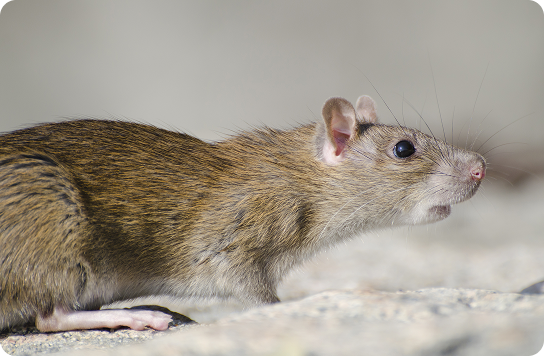
Check the evidence. House mice usually leave smaller droppings, lighter gnaw marks, and can fit through very tiny gaps. Rats, including Norway rats, produce larger droppings, heavier damage, and are often associated with basements, drainage lines, and exterior waste areas. If you hear nocturnal noises, find nests, or notice repeated contamination, an inspection can confirm which rodent you are dealing with.
Are traps or bait stations better for rodent control?
It varies by situation. Snap traps are often the best choice for indoor control because they provide fast, direct results and help with monitoring. Tamper-resistant stations can be useful for exterior or commercial settings where tamper resistance and broader coverage are needed. The best choice usually depends on the property, the species, the level of activity, and whether the plan includes exclusion and sanitation.
How can I keep rodents out of my basement and attic?
Begin with a careful inspection of both areas. Seal gaps in the foundation, close openings in the structure around pipes and wiring, and reinforce known access points with appropriate materials such as steel wool and caulking where suitable. Keep the basement areas and attic spaces free of clutter, store items in sealed containers, and watch for feces, chewed materials, and nesting areas. Regular monitoring is the key to long-term protection.
When should I contact a pest control Windsor professional?
Contact a pest control Windsor expert if the issue keeps returning, if you notice major health risks, if there is visible property damage, or if the issue affects a commercial pest control environment. A trained expert can find hidden access routes, enhance exclusion, and develop a realistic prevention approach for your Windsor, Ontario property.
Mosquito Man Windsor
2485 Front Rd, LaSalle, ON N9J 2C5, Canada
+1 226-526-4711
https://maps.app.goo.gl/JwhSC65zfbLWNH6v7
https://mosquitoman.ca/pest-control/windsor/
42.2161228, -83.1003005